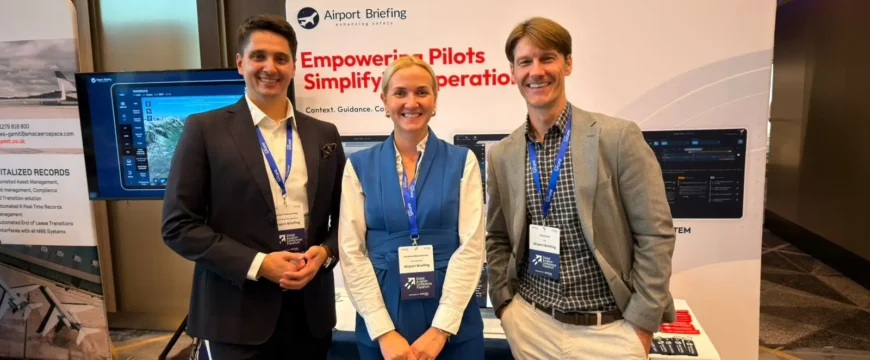

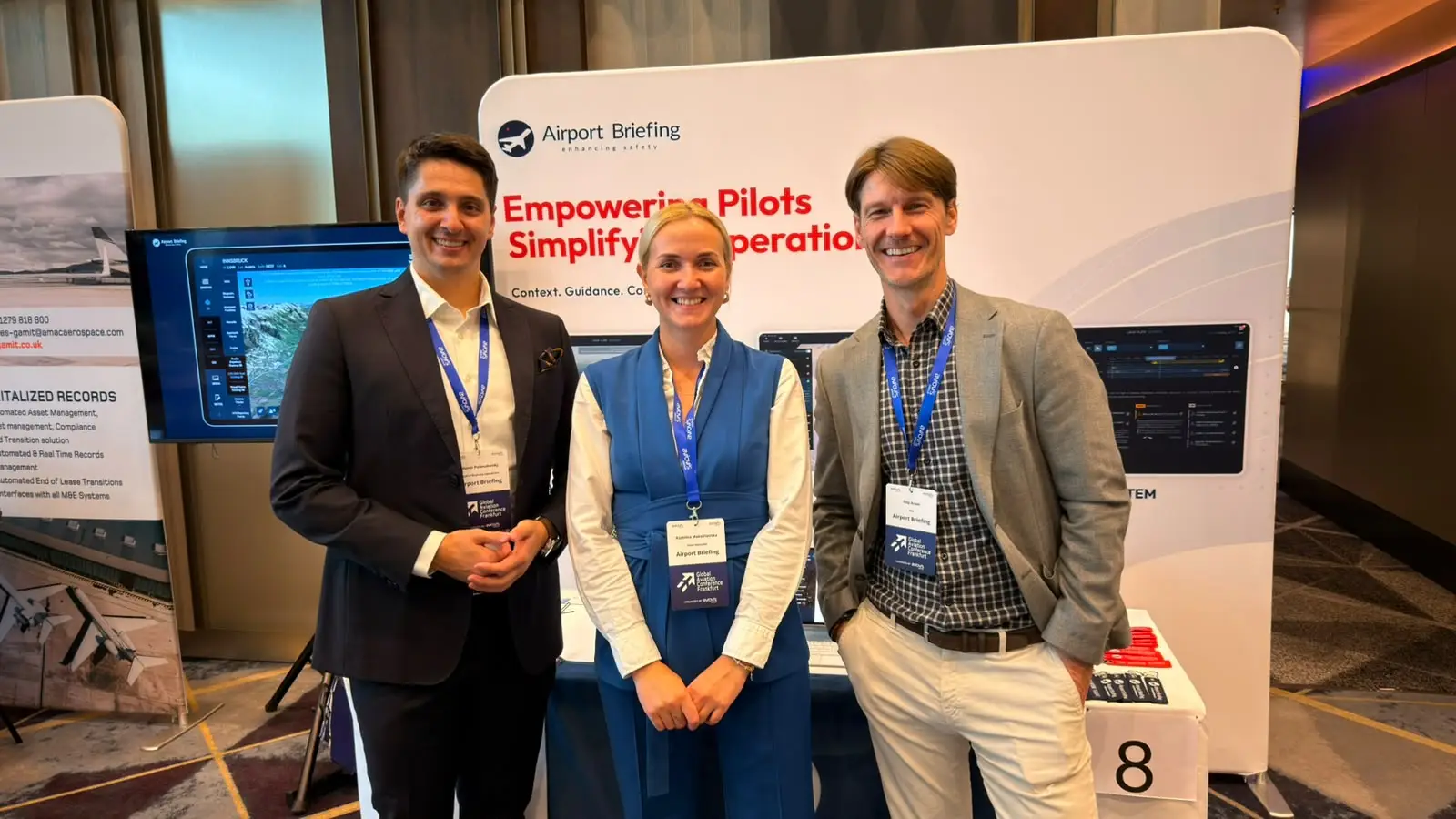
On 29–30 September, we joined the Global Aviation Conference Frankfurt for two days of conversations spanning airlines, airports, technology, digitalisation and the future of aviation.
The agenda covered a wide range of topics, but several stood out as particularly relevant to the world we work in every day at Airport Briefing: flight operations, airport-specific knowledge, digital transformation and the changing operational context in which crews prepare for a flight.
Rather than recap the entire conference, these are the themes we are taking back from Frankfurt.
From aviation data to operational value
One of the most relevant discussions for us was “Digitalization and AI in Airline Operations: From Data Foundations to Real-world ROI.”
Moderated by Laura Frommberg of aeroTELEGRAPH, the panel brought together representatives from Qatar Airways, Pegasus Airlines, United Airlines and aviation technology companies.
The subject itself reflects an important shift in aviation digitalisation. Having access to more data is only part of the equation. The real value comes from making information usable in the context of an actual operation.
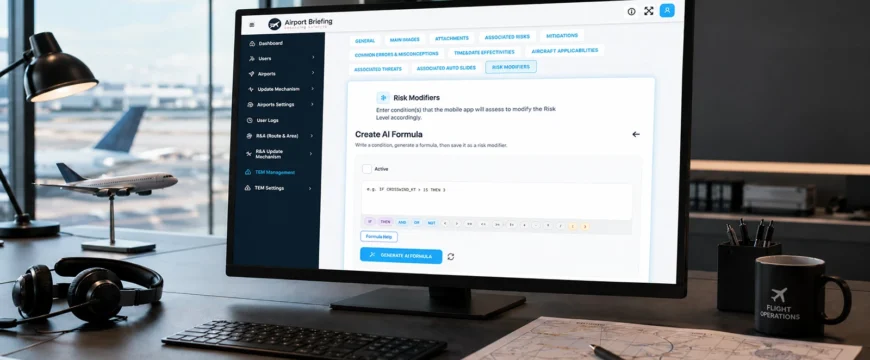
That principle is also central to the direction of Airport Briefing and Adaptive TEM, connecting operational information with the context in which a crew is preparing for the flight.
The airport is part of the operational picture
Airport operations also received significant attention in Frankfurt.
The first day included “The Evolving Role of Airports: Hubs of Innovation,” with participants from organisations including Munich Airport, Athens International Airport and Bologna Airport. On the second day, Daniel Bircher of Zurich Airport International focused specifically on the airport–airline relationship at hub and other airports.
For flight operations, the airport is much more than a destination code.
Runways, procedures, infrastructure, terrain and local operational characteristics all contribute to the picture a crew needs before operating into an airport.
This is also why airport-specific knowledge remains such an important part of Airport Briefing. The aim is to bring relevant information together in a format that helps crews understand the environment ahead of the operation.
Digital transformation has to work in real operations
Another session that caught our attention was “Fraport’s Engine for Scaling 50+ Digital Projects in 5 years,” presented by Marina Lützenberger, Program Director Corporate Strategy & Digitalization at Fraport AG.
The broader point is particularly relevant for aviation technology.
Innovation does not create operational value simply by existing. Digital tools ultimately need to fit into established workflows and become usable as part of everyday operations.
For us, this is an important principle when developing tools for flight preparation. Technology should support the operational process rather than become another separate layer crews have to manage.
Geopolitics is part of the operational environment
The conference concluded with “Global Aviation Outlook: Navigating Geopolitical Dynamics,” featuring perspectives from Finnair, LATAM Airlines and London City Airport.
For aviation, geopolitical developments are not simply a broader industry topic. Changes affecting airspace, routes and operating environments can become operational considerations for airlines and crews.
It is a useful reminder that the context surrounding a flight does not stop at the airport boundary.
For Adaptive TEM, this broader thinking is particularly relevant because operational context can include not only airport, aircraft and environmental factors, but also external factors that may affect the operation.
A glimpse of another aviation future: Valo
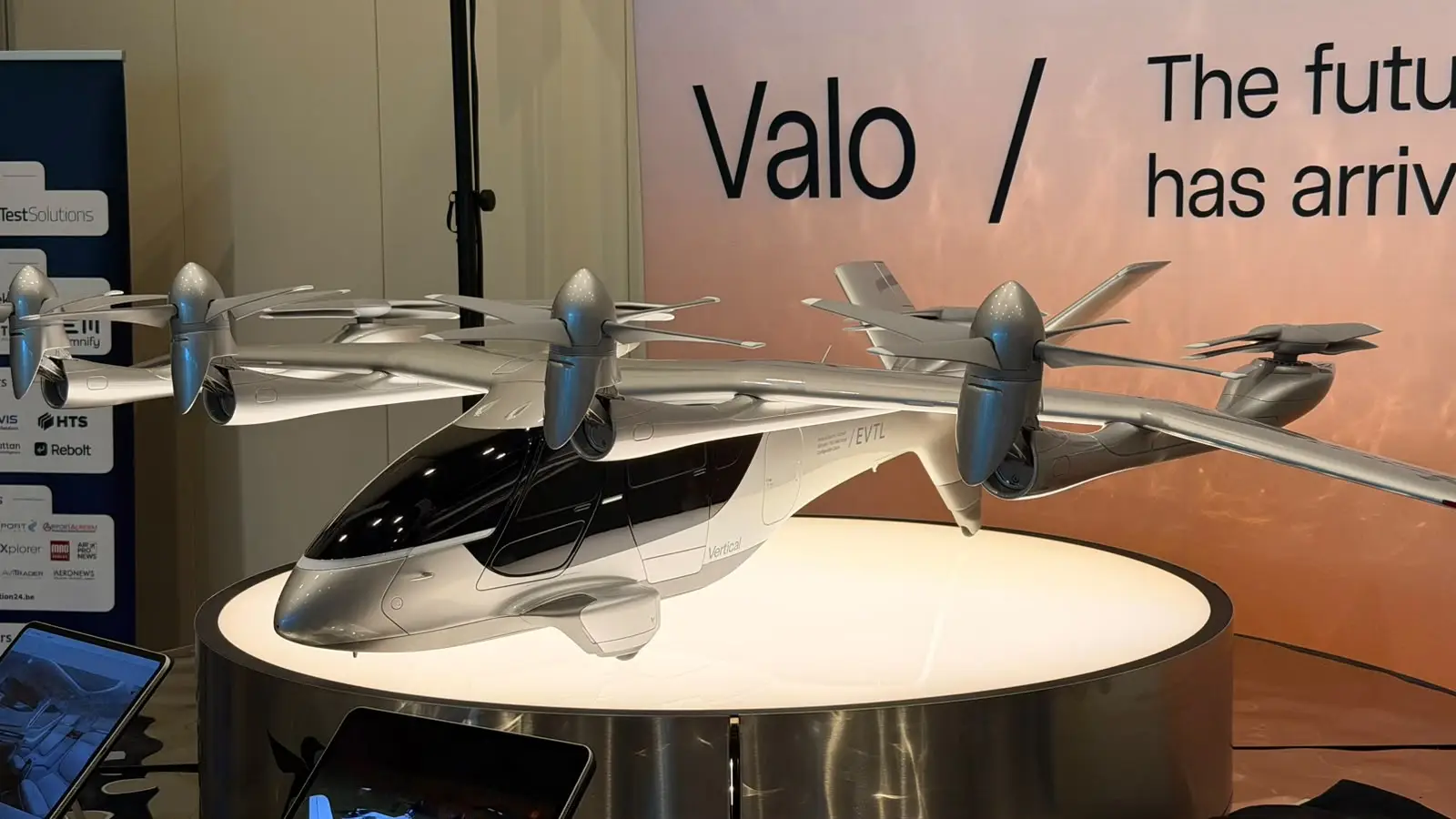
Frankfurt also gave us the opportunity to see Valo, the electric vertical take-off and landing aircraft developed by Vertical Aerospace.
Valo is an eVTOL aircraft that Vertical Aerospace is developing for electric air mobility. The company describes the aircraft as targeting up to 100 miles of range and a 150 mph cruise speed, with vertical take-off and landing capability.
Seeing the aircraft in person was an interesting reminder of how quickly the aviation environment itself continues to evolve.
For Airport Briefing, there is no need to force a direct product connection. The broader takeaway is more relevant: as aircraft, operating models and operational environments change, the digital tools supporting flight preparation will need to evolve with them.
What we are taking back from Frankfurt
Across very different parts of the agenda, several themes connected naturally.
Data needs context. Airport knowledge needs to be operationally usable. Digitalization needs to work inside real workflows. The wider environment around a flight continues to change.
These are also questions we continue to work on through Airport Briefing and Adaptive TEM as we develop the platform around the operational picture crews need before the flight ahead.
Frankfurt gave us plenty to think about, and plenty of conversations we look forward to continuing.